By Bruce Kramer, Founder. Our team brings 75+ years of combined experience across the Los Angeles photo, film, and event world. Meet the team.
If you are shooting a Big Game spot in Los Angeles for the February 2027 broadcast, your location decisions are happening now — not in January. The game lands on Sunday, February 14, 2027 at SoFi Stadium in Inglewood, the first time the year's biggest broadcast has fallen on Valentine's Day.
Work backward from that air date and the picture gets clear fast: most spots shoot between September and December, which means the locations worth having are being held while agencies are still finishing boards.
Working Backward From February 14
Every production timeline for this window runs in reverse from a fixed, immovable date. Networks require final delivery well ahead of air, and the closer a spot gets to broadcast the less room there is to fix anything. A realistic backward count looks like this: final delivery in late January, which means post and finishing through December and early January, which means principal photography between late September and early December, which means locking locations four to eight weeks before the shoot. That puts the location decision squarely in the next several weeks. The teams that treat this as a January problem end up choosing from what is left. The teams that treat it as a September problem choose from everything.
What Gets Booked First — and Why
Not all inventory moves at the same speed. In our experience the spaces that disappear earliest in a Big Game cycle share three traits: they are controllable, they are large enough to hold a full lighting and camera package, and they can be dressed into something other than what they are.
Soundstages with cyc walls go first, because a spot that needs seamless white or a controlled sweep cannot improvise. Blackout-capable warehouses follow, since a space you can take to full darkness gives a DP total control of a shooting day regardless of the sun. Then hero locations — the rooftop with the skyline, the historic theatre, the estate that reads as a character rather than a backdrop. Those are one-of-one, and once a competitor holds the date it is simply gone.
What stays available longer: standard offices, generic interiors, and spaces that need heavy build to become anything. Useful, but rarely what a national spot is built around.
Stage or Real Location? The Honest Trade-Off
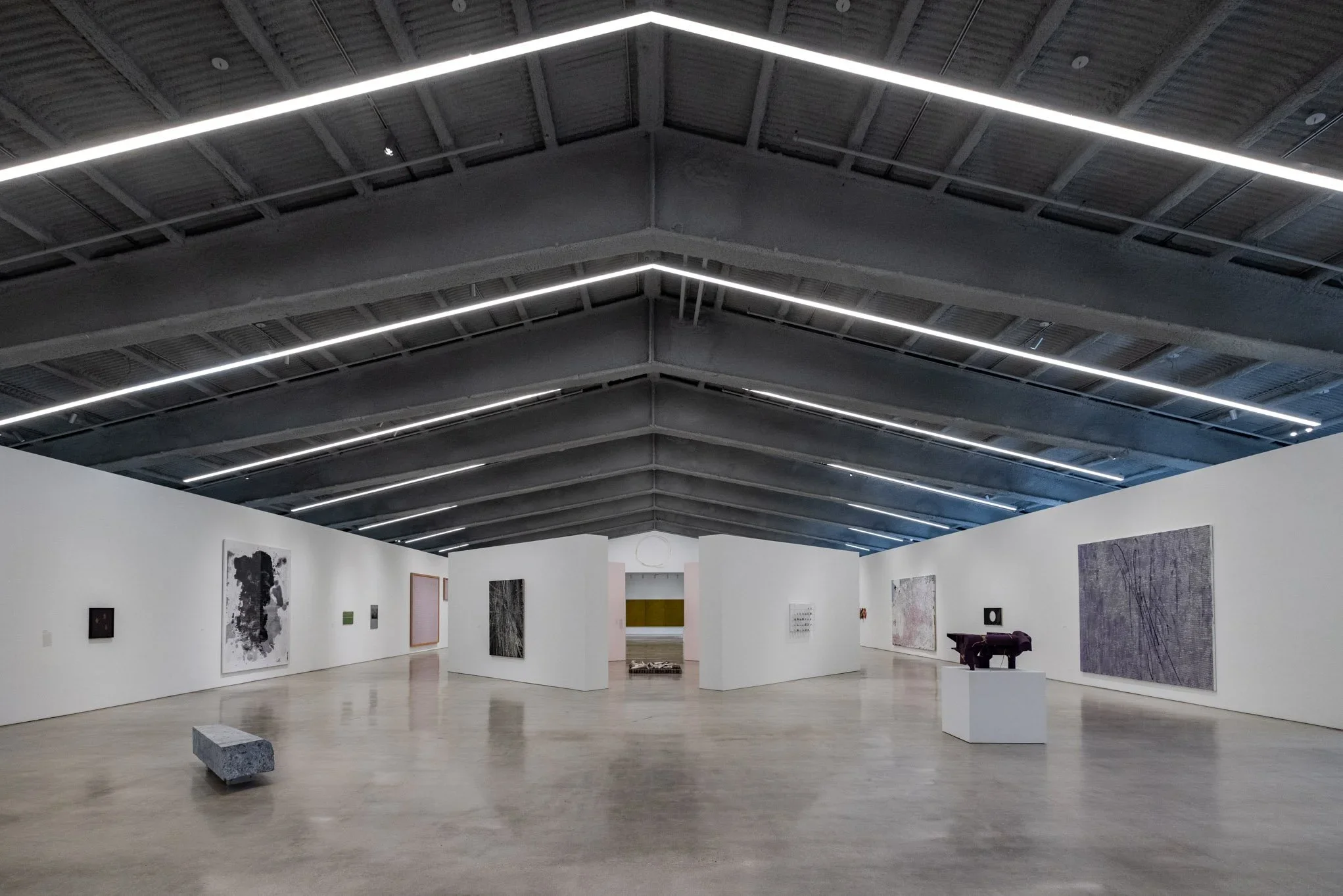
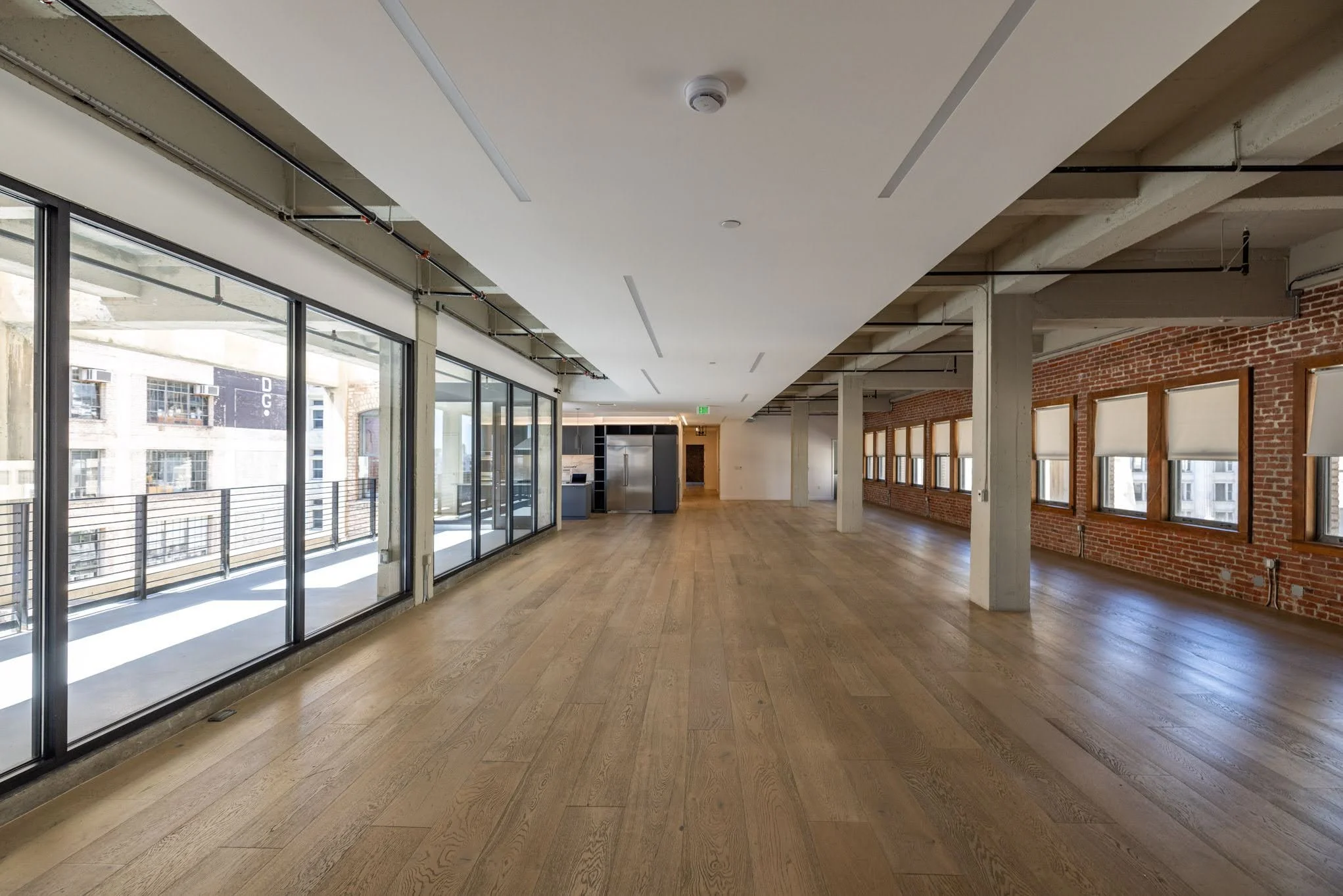
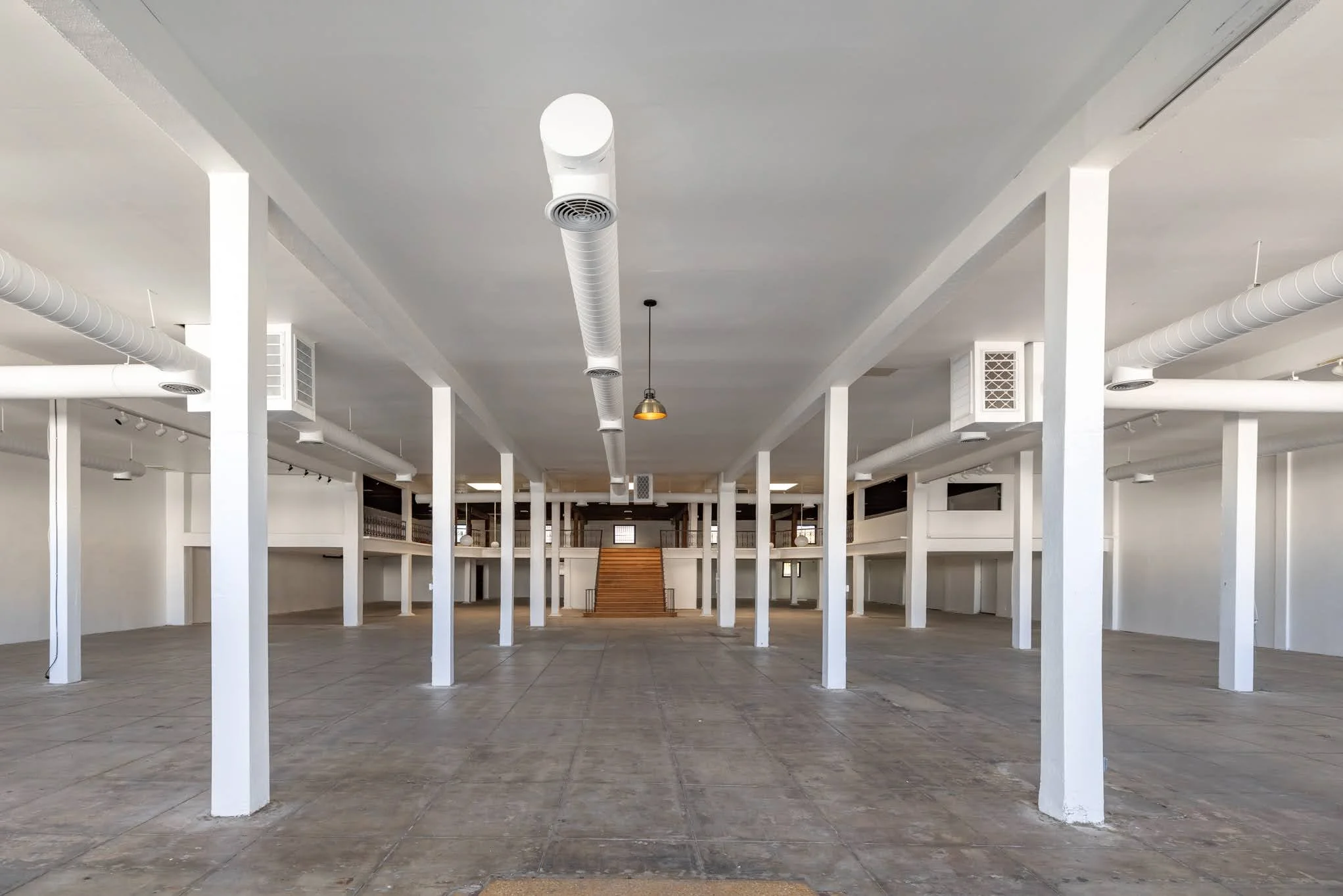
A stage gives you control: no weather, no neighbors, no ambient noise, and a schedule that holds. The trade-off is that everything you see on camera has to be built, and build days are budget days. A real location gives you texture, scale, and detail that would be expensive to fabricate — a working machine shop, a genuine 1938 event venue, a warehouse with thirty-foot ceilings and real patina — but it comes with variables you have to manage.
Most Big Game spots we support end up doing both: a stage day for the controlled hero shots, and one or two location days for everything that needs to feel real. Where that split lands is worth deciding early, because it changes what you need to book and when.
The Permit Reality That Catches Teams in Q4
Permit lead times are shorter than most people assume, and that is exactly why they cause problems. Through FilmLA, a standard permit in the City of Los Angeles generally requires three full business days to process, not counting the day you submit. More complex work — street closures, special effects, drones, stunts — typically needs five to seven business days, and some neighboring jurisdictions require five business days as a minimum regardless of complexity.
Three business days sounds comfortable in October. It is much less comfortable in the last week of November, when a holiday closes city offices, or in late December, when approvers are out and the calendar has fewer working days than it appears to. The permit itself is rarely the problem; the compressed holiday calendar around it is.
The other Q4 factor is crew and equipment. September through December is the busiest stretch of the Los Angeles production year, and stages, gear, and crews all thin out at exactly the moment Big Game spots are shooting.
What to Confirm Before You Lock a Location
For a spot at this level, five things decide whether a shooting day runs on schedule. Power: real electrical capacity for lighting, or honest information about whether you are bringing a generator. Load-in: door dimensions, dock or ground-level access, and whether a truck can actually reach the space. Sound: how quiet the location genuinely is, including freeway noise and flight paths, if you are recording anything usable. Parking and basecamp: where trucks, trailers, and crew vehicles go, which in Los Angeles is frequently the hardest piece to solve. And confidentiality: whether the property owner understands that an unreleased national campaign requires discretion.
Every property we represent is documented against those five points before it is offered, which is the difference between a location that photographs well and a location that works.
Confidentiality Is Part of the Brief
Big Game creative is embargoed until the brand chooses to release it, and a location leak is a real risk on a public listing platform where dozens of people have visibility into a booking. Because we represent our properties exclusively and work directly with owners, the number of people who know what is shooting where stays small. For agencies working under strict release terms, that is not a nice-to-have — it is a requirement written into the contract.
One More Thing About February 14
The Valentine's Day overlap is not just trivia. It compresses Los Angeles that weekend in a way planners should account for: restaurants booked solid, hotel inventory tight, traffic patterns unusual, and crews harder to hold for any pickup work in the days before air. If your campaign includes a live element, an activation, or any last-minute shooting in early February, build that reality into the schedule now rather than discovering it in January.
Where to Start
If your spot is still in concept, start with the shape of the day rather than a specific address: how many setups, how much control you need, whether you are shooting day or night, and how many people will be on site at peak. That is enough for us to put a realistic shortlist in front of you, with honest notes on what each space can and cannot do. From there, holds move quickly.
The calendar between now and February is shorter than it looks. Locations for the biggest broadcast of the year are decided in the fall, quietly, by the teams that started early.
Frequently Asked Questions
When do commercials for the February 2027 broadcast actually shoot?
Most shoot between late September and early December 2026. Working backward from a February 14 air date, final delivery lands in late January, post runs through December and early January, and principal photography needs to be complete before that. Locations are typically locked four to eight weeks ahead of the shoot.
How long does a film permit take in Los Angeles?
Through FilmLA, a standard permit in the City of Los Angeles generally needs three full business days to process, not counting the submission day. More complex work such as street closures, drones, stunts, or special effects usually needs five to seven business days, and some neighboring jurisdictions require five business days minimum. Holiday closures in November and December compress that calendar more than most schedules account for.
Should we shoot a national spot on a stage or a real location?
It depends on how much control the creative needs. Stages remove weather, noise, and neighbors but require you to build what appears on camera. Real locations deliver texture and scale that would be expensive to fabricate, with variables to manage. Many national spots use both — a stage day for controlled hero shots and location days for everything that needs to feel authentic.
Can you keep an unreleased campaign confidential?
Yes. We represent our properties exclusively and work directly with owners, so far fewer people have visibility into a booking than on a public listing platform. For agencies operating under embargo and strict release terms, we handle the location side with the discretion the contract requires.
THE RIGHT VENUE FOR THE RIGHT BRAND
Browse our full collection of studios, stages, and filming locations in Los Angeles to see what fits your shoot.
Contact Buttercup Venues today to explore our exclusive portfolio.