Best Venues in Los Angeles for Activations: Make Your Activation More Engaging
By Bruce Kramer, Founder. Our team brings 75+ years of combined experience across the Los Angeles photo, film, and event world. Meet the team.
A brand activation lives or dies on its venue. Before a guest touches the product or a camera captures the build, the space has already told them what the brand thinks of itself — and Los Angeles offers more spaces that say the right thing than any city in the world. This guide is how professionals actually choose among them.
It covers what separates a true activation venue from an ordinary event space, the neighborhoods and property types that work hardest for brands, a walk through standout spaces in the Buttercup portfolio, and the straight answers on budget and timeline that most venue lists leave out.
Why Los Angeles Is the Brand Activation Capital
The reasons brands keep choosing LA are structural, not sentimental. The audience is here: tastemakers, press, and the largest concentration of creators and influencers in the country, which means an activation earns reach beyond the guests in the room. The infrastructure is here: production crews, fabricators, lighting and rigging vendors, and permit offices that process more temporary events than anywhere else in America. And the calendar is here — award season, premieres, art fairs, and a 2026–2028 run of global sporting events that puts the world’s attention on this city over and over again.
The weather closes the argument. Year-round outdoor programming is a planning assumption in Los Angeles, not a gamble — rooftops in January, courtyards in November, golden-hour reveals that landlocked markets simply cannot schedule.
What Separates an Activation Venue From an Event Venue
Any attractive room can host a dinner. An activation asks more of a building: the right to transform it. Brands need walls that can be wrapped, floors that can carry a build, rigging points overhead, power for LED walls and broadcast equipment, and load-in that accepts trucks — not freight elevators shared with office tenants. The venues in this guide were vetted for exactly those demands.
Permits are the second separator. Many of the most photogenic spaces in Los Angeles are warehouses and industrial buildings, and using one for a public-facing event turns on a temporary change of use — fire sprinklers, identified exits, occupancy math. A venue that has been through that process before, with documentation to show for it, saves a brand team weeks.
The third separator is control. Marketplace listings come with unknowns: other bookings, absentee owners, surprises on the day. Exclusively represented spaces come with one accountable contact from first scout to load-out — which is the difference between an activation that runs on schedule and one that runs on apologies.

Standout Activation Venues in the Buttercup Portfolio
A representative cut of the portfolio — chosen for the range they cover, from raw industrial scale to landmark polish. Every one is production-vetted; every one is bookable through a single call.
Rainbow Event Venue — Boyle Heights
A 14,500 SF canvas whose flexible layout takes a full brand build without a fight — one open program for big crowds, or zoned chapters for an experience guests move through. Boyle Heights gives it the industrial texture brands photograph best against.
Event Venue #5 — Mid-City
At 25,000 SF, this is the scale option — room for a stage, a build, and a crowd without compromise, with on-site parking that removes the single most common guest complaint in Los Angeles.
Loft #7 — Downtown LA
An 8,000 SF loft with the tall ceilings immersive designers ask for first — vertical space for lighting, projection, and suspended installs, in the heart of DTLA’s creative corridor.
Event Venue #40 — Santa Monica
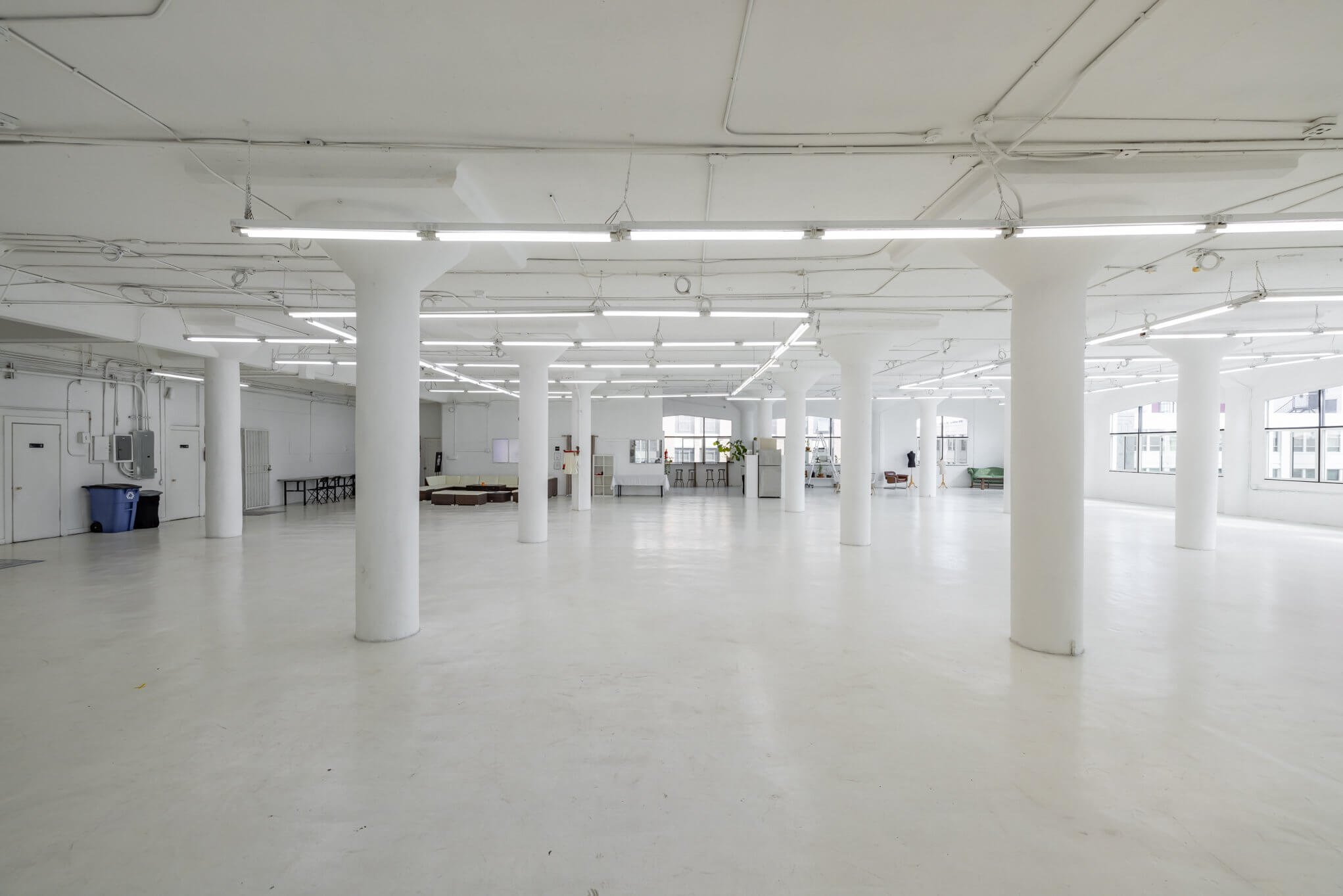
A 16,200 SF historic landmark whose architecture does half the creative direction on its own. For launches where provenance is part of the story, this is the room — versatile enough to reset completely between a press morning and an evening program.
Gallery #16 — Boyle Heights
15,000 SF of gallery finish with warehouse logistics behind it: loading docks for the build, HVAC for the guests. The rare space that delivers polish without sacrificing load-in.
Pop Up #9 — Arts District
25,500 SF in the neighborhood every activation brief seems to name. High ceilings open the vertical dimension for lighting and set pieces, and the Arts District address photographs like a brand statement in itself.
Event Venue #16 — Culver City
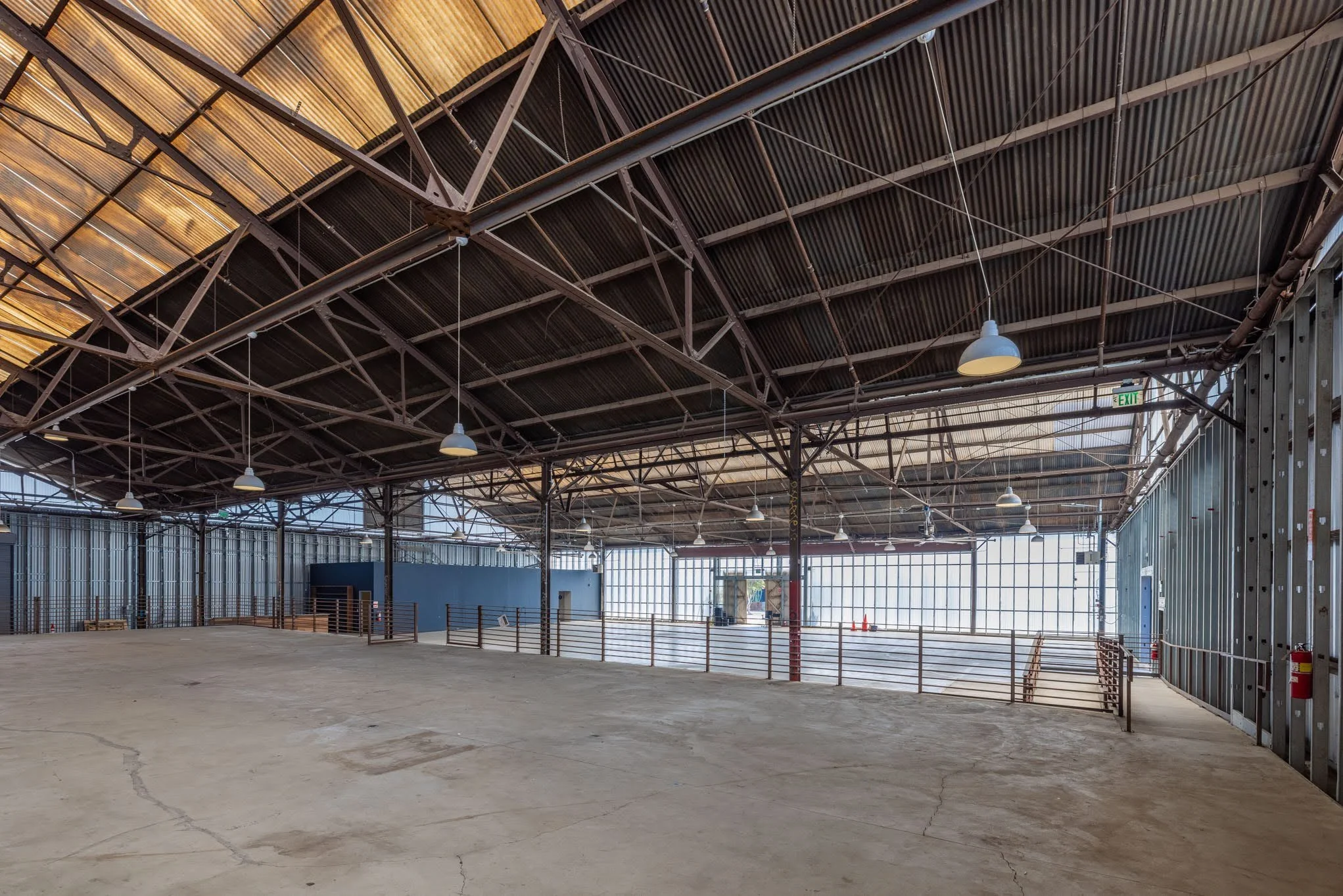
20,000 SF of adaptable space in the studio spine of the Westside — climate-controlled, reconfigurable, and positioned where agency, studio, and brand teams can actually reach it.
Event Venue #35 — Hollywood
20,000 SF built for 500 to 1,500 guests with parking for 100 cars — the Hollywood-address option when the guest list is the point and arrival logistics can’t be left to luck.
These eight are a sample, not the ceiling. The full set of transformable warehouses, galleries, rooftops, and storefronts lives on our brand activation venues page — and some of the portfolio’s best activation spaces are placed by conversation before they’re ever published.
High-Traffic or Destination? Match the Venue to the Goal
The most common miss in activation planning is choosing a beautiful space that serves the wrong metric. If impressions are the goal, the sidewalk is the media buy: high-traffic storefronts and pop-up corridors compound exposure all day, whether or not anyone RSVPs. If depth is the goal — longer dwell time, richer storytelling, a guest list that feels chosen — a destination venue rewards the trip.
The strongest campaigns often run both: a high-traffic teaser feeding a destination experience, each doing the job the other can’t. We wrote a full comparison of the two models for teams weighing the trade.
Budget and Timeline: The Straight Answers
Event days across the portfolio generally run $15,000–$75,000, with prep and strike days billed lower. Where a project lands in that range is driven by impact and date: build complexity, crew size, hours, and how contested the calendar is — not square footage alone. There is no hourly option and no fixed rate card, because a 200-guest press preview and a 1,500-guest public activation are different products in the same room.
On timing: ordinary dates come together in a few weeks to a few months. Strong dates — spring and fall launch windows, art-fair weeks — deserve three to six months. Peak windows are their own category: award season and the 2027–2028 run of global events in Los Angeles are already booking, and twelve months out is not conservative for those calendars.
The honest advice: it is rarely too late to find something good, and often too late to get the first choice. The earlier the conversation starts, the more of the portfolio is still on the table.
How Buttercup Fits In
Buttercup Venues represents its Los Angeles properties exclusively and directly — many never appear on any marketplace. Tell us the brand, the audience, and the feeling the activation needs to leave behind, and we answer with rooms, not listings: matched options, real numbers, and one point of contact from the first scout to the last truck out.
Frequently Asked Questions
What should a brand budget for an activation venue in Los Angeles?
Event days generally run $15,000–$75,000 depending on the property, the date, and how hard the production works the space, with prep and strike days billed lower. Quotes are built per project.
Is a one-day activation possible?
Yes — as one full-day booking, often with prep and strike days around it for the build. There are no hourly rentals; a one-day public moment usually lives inside a two-to-four-day booking.
Can the venue itself be branded and transformed?
That’s the point of these spaces — wraps, builds, custom lighting, and full takeovers are expected. Protection requirements and what must be restored are documented before load-in, so there are no surprises at strike.
Who handles permits for an activation?
The production or its agency typically pulls the permits, but the venue side is where permits go wrong — occupancy, exits, temporary change of use. Every Buttercup property’s permit reality is documented before booking, so your expediter starts with answers instead of questions.
Do these venues work for filmed content as well as live guests?
Yes — the portfolio is production-vetted, so the same space can carry a content shoot in the morning and a guest program at night on one build. Shoot days generally run $10,000–$60,000.
THE RIGHT VENUE FOR THE RIGHT BRAND
Browse our full collection of brand activation venues in Los Angeles to compare spaces across every neighborhood.
Contact Buttercup Venues today to explore our exclusive portfolio.