By Bruce Kramer, Founder. Our team brings 75+ years of combined experience across the Los Angeles photo, film, and event world. Meet the team.
In the summer of 2028, Los Angeles hosts the Olympic and Paralympic Games — the largest sustained demand event its venue market will ever see. The organizations that thrive won’t be the ones that book a party; they’ll be the ones that build an operating base. This is the strategic guide to doing exactly that.
Think Ecosystem, Not Event
A national federation, a global brand, or a media organization arriving for the Games needs a portfolio in miniature: somewhere to work, somewhere to host, somewhere to produce content, and somewhere to celebrate — for six to eight weeks, not one night. The winning move is assembling that ecosystem early from compatible properties, ideally through one relationship, so the pieces actually work together.

The Building Blocks
Warehouses — the operations and hospitality engines
Large-scale hospitality houses, broadcast-ready staging, storage and logistics under the same roof. The 20,000-to-150,000 SF range is where national houses live.
Furnished Offices — the turnkey headquarters
Delegations and brand teams need working HQs from day one — furnished floors with real infrastructure, bookable for the full run.
Lofts and Galleries — the client-facing rooms
Press moments, partner dinners, cultural programming — daylight, polish, and addresses that flatter an invitation.
Estates — the discretion tier
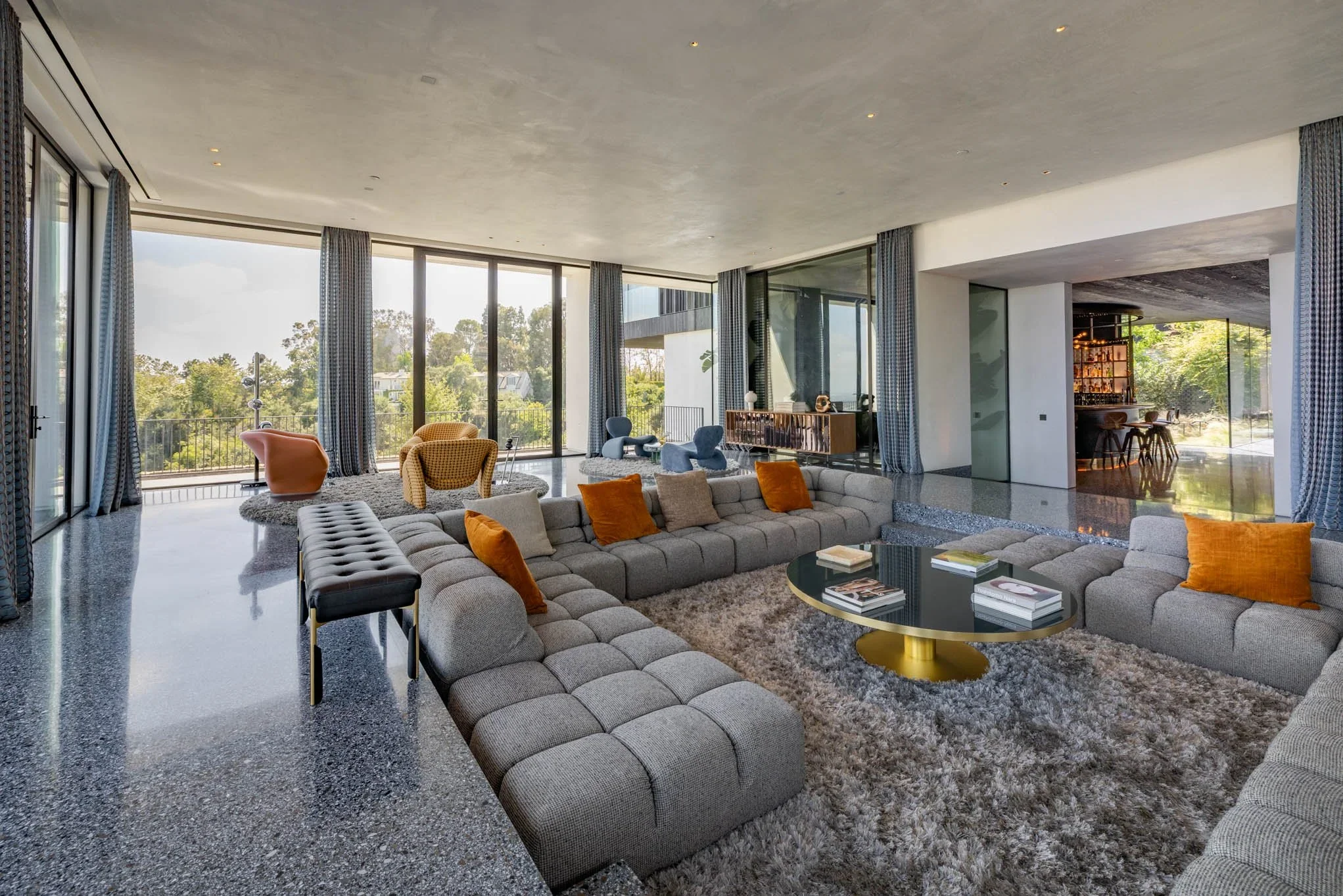
Private residences for principals, sponsor dinners, and the meetings that never appear on any schedule. Bel Air to Palm Springs, gated and controlled.
Gyms and Courts — the ready-made training and content spaces
Basketball gyms, courts, and fitness facilities that double as training bases and athlete-content studios — a category almost no other city can offer at LA’s depth.

The 2028 Calendar Reality
Games-time demand doesn’t start in July 2028 — it stacks: the 2027 championship winter, award seasons, and pre-Games test events all draw down the same inventory first. Organizations that treat 2028 as a 2028 problem will be assembling their ecosystem from what’s left.
The practical sequence: define the footprint now, hold the anchor property — the house or HQ — twelve-plus months out, and layer the satellite spaces behind it. Multi-week bookings are quoted as engagements, with prep and strike periods built in; the earlier the conversation, the better the structure.

How Buttercup Fits In
One relationship, the whole ecosystem: 290+ directly represented properties across every category above, vetted for production and event use, many exclusive. We’ve been building toward this summer for years — tell us your organization’s footprint and we’ll map it to real addresses.
Frequently Asked Questions
When should an organization lock its 2028 base?
Anchor properties — the hospitality house or HQ — deserve holds twelve-plus months out; by early 2027 the best large-format inventory will be in serious conversations.
Can one property serve as a full Games-time headquarters?
The largest warehouse compounds and full buildings can carry work, hosting, and content in one address — but most organizations run an anchor plus two or three satellites.
How are multi-week 2028 bookings priced?
As engagements, not stacked day rates — active days at the portfolio’s normal ranges, prep, strike, and dark days structured lower, the whole run quoted as a package.
What’s the most overlooked venue category for the Games?
Gyms and courts — training bases and athlete-content studios in one, and a category where LA’s depth is essentially unmatched. They will not be available in July 2028.
Does hospitality space near the venues matter for 2028?
Less than people assume — the Games sprawl across the whole basin, so transit access, hotel adjacency, and media-hub proximity beat stadium adjacency for most programs.
THE RIGHT VENUE FOR THE RIGHT BRAND
Ready to elevate your next commercial campaign?
Browse our full collection of filming locations and event venues across Los Angeles to compare spaces across every neighborhood.
Contact Buttercup Venues today to explore our exclusive portfolio.