Inside Columbia Square Studios: The Hollywood Landmark Where Modern Broadcasting Began
By Bruce Kramer, Founder. Our team brings 75+ years of combined experience across the Los Angeles photo, film, and event world. Meet the team.
Inside Columbia Square Studios: The Essentials
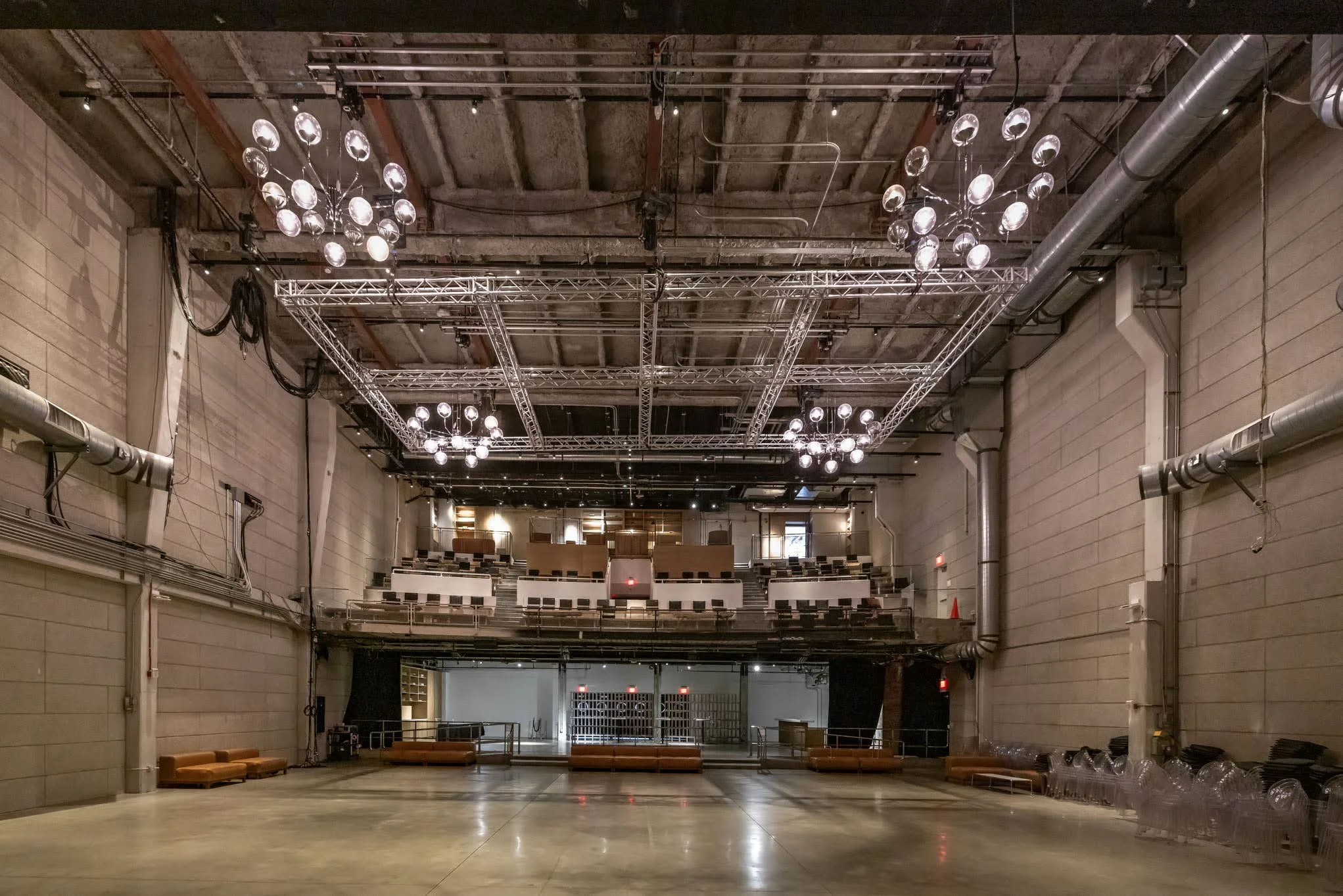
Hollywood is full of properties that call themselves iconic. Most of them aren't. The handful that genuinely qualify share a specific quality: they're not just famous for what happens inside them — they're famous for what they themselves represent in the cultural memory of the city. Columbia Square Studios is one of those rare addresses. The restored 1938 CBS Radio Building on Sunset Boulevard is the original Hollywood broadcast facility, designated Los Angeles Historic-Cultural Monument No. 947, and the only architecturally significant landmark in the city that now operates as a fully functional 93,000-square-foot multi-venue event and production campus. For brand teams and producers planning their most ambitious 2026 and 2027 programs, this is the kind of address that doesn't come along often — and when it does, the calendar moves quickly.

A Building That Invented a Category
When CBS founder Bill Paley commissioned the building in 1938, he gave Swiss-born architect William Lescaze a brief no one had attempted before: design "a machine for broadcasting." Lescaze, one of the foundational figures of American International Style architecture, delivered the first building in the world purpose-built for mass communication. The Streamline Moderne facade, the carefully proportioned soundstages, the acoustic engineering, the broadcast infrastructure — every element was designed for a then-emerging industry that would, within a decade, define American culture.
What happened inside the building over the following decades reads like an oral history of Hollywood itself. Lucille Ball filmed the pilot of I Love Lucy in Studio A in 1951. Jack Benny, Orson Welles, and Edward R. Murrow broadcast from these rooms. Bob Dylan, Janis Joplin, Johnny Cash, Led Zeppelin, and the Beach Boys recorded here. James Dean worked as an usher in the Mezzanine before he ever stood in front of a camera. The building is a cultural archive that happens to still be operational — and the operational part is what makes it relevant for brand teams today.

A Restoration That Earned the Building Back
Properties of this significance are often preserved into uselessness — beautifully restored on paper, but unable to host a working program. Columbia Square Studios avoided that fate. Rockwell Group, David Rockwell's firm — known for Broadway theaters, the W Hotel network, NoMad, and some of the most operationally sophisticated hospitality projects of the past two decades — led the restoration. The result is a six-floor, 93,000-square-foot campus that respects every piece of Lescaze's original architecture while delivering the modern infrastructure that today's productions and brand activations actually require.
The campus offers 27,190 square feet of dedicated event space across six floors. Capacity scales to 1,500 guests across combined spaces. The mechanical systems, AV infrastructure, lighting grids, and back-of-house operations all support the realities of professional programs — silent HVAC, honest power, blackout capability, controllable daylight, freight access, and the planning depth that makes the difference between a successful Monday and a chaotic one.
The Spaces, and What They're Actually For
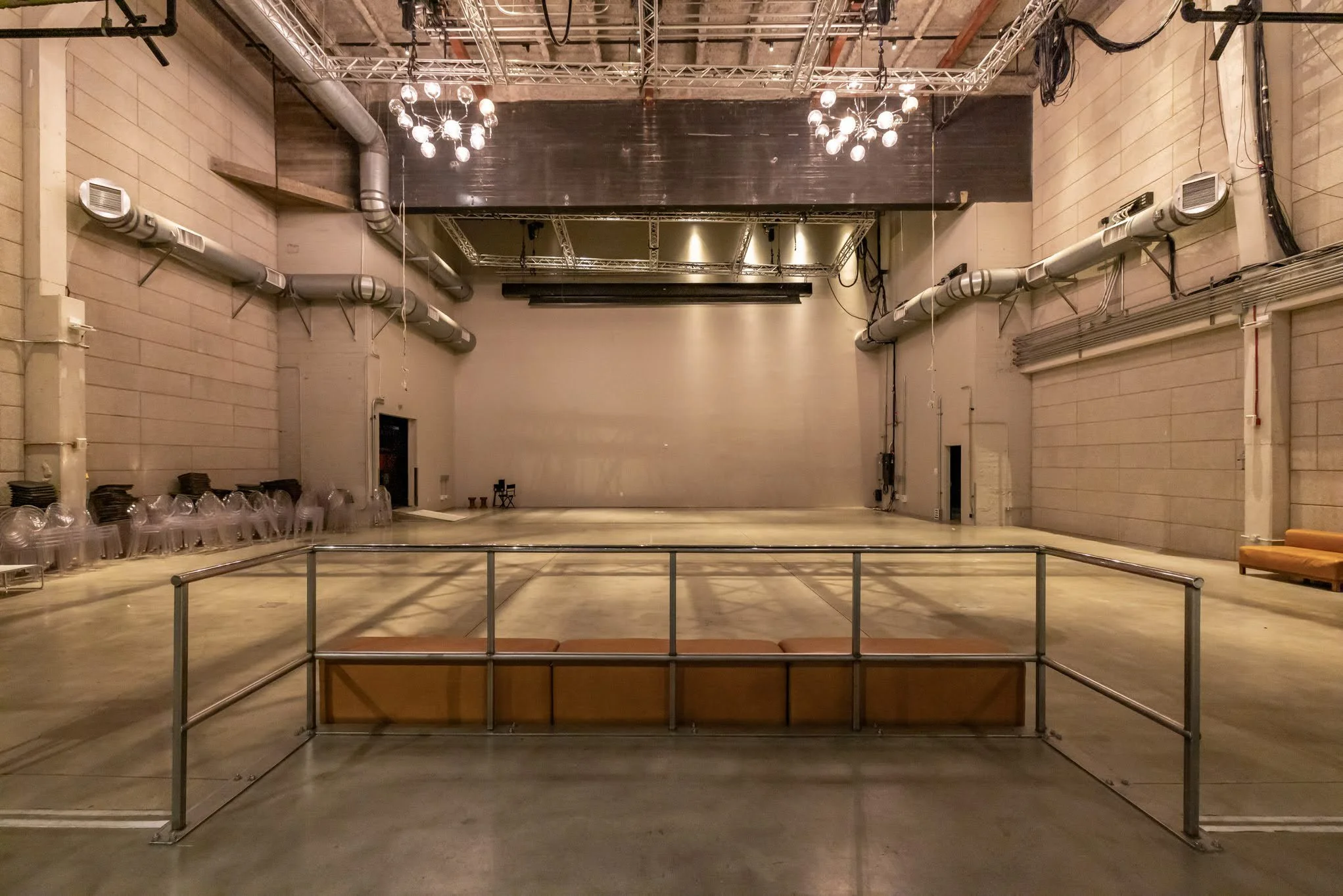
Studio A is the headline space — and would be even without its history. Approximately 8,200 square feet, double-height ceilings, the working CBS soundstage where the I Love Lucy pilot was filmed. Capacity for 500 standing or 250 to 300 seated. The footprint and infrastructure support keynote programs, large brand activations, fashion presentations, live broadcasts, multi-camera productions, and the immersive build-outs that need real scale.
The 7,000-square-foot outdoor rooftop terrace is the second flagship space. Sweeping views across the Hollywood Hills and Sunset Boulevard, with capacity for 400 standing or 200 theater-style. The kind of setting that delivers a brand reveal, a sunset reception, a press cocktail program, or a launch toast where the location does as much work as the campaign itself.
The screening room is purpose-built — custom Poltrona Frau seating for 55 to 70, cinema-grade projection, and the architecture that supports premieres, brand-content reveals, investor presentations, and the streaming and broadcast moments that have become part of nearly every modern activation. A real screening room, not a meeting space with a projector.
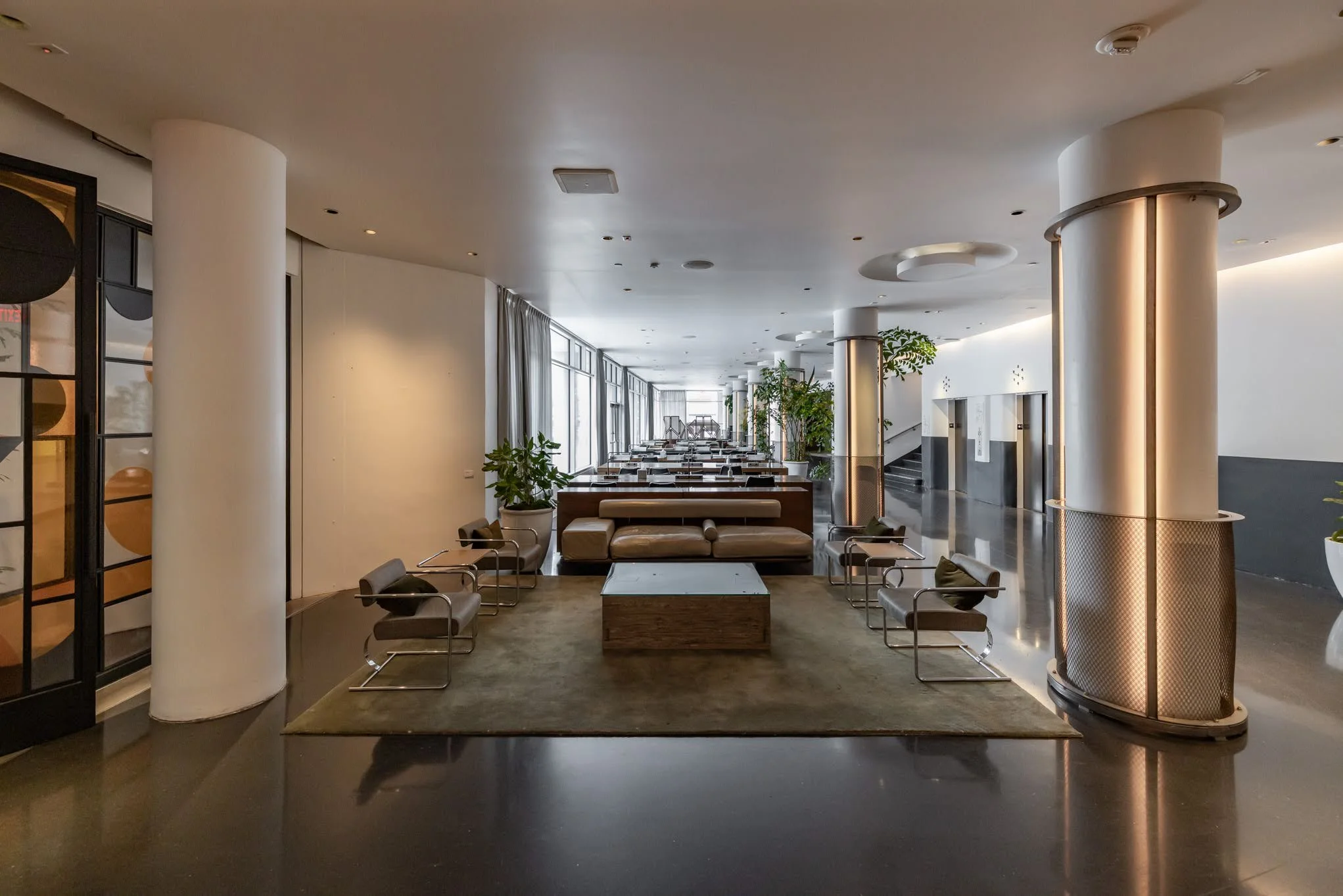
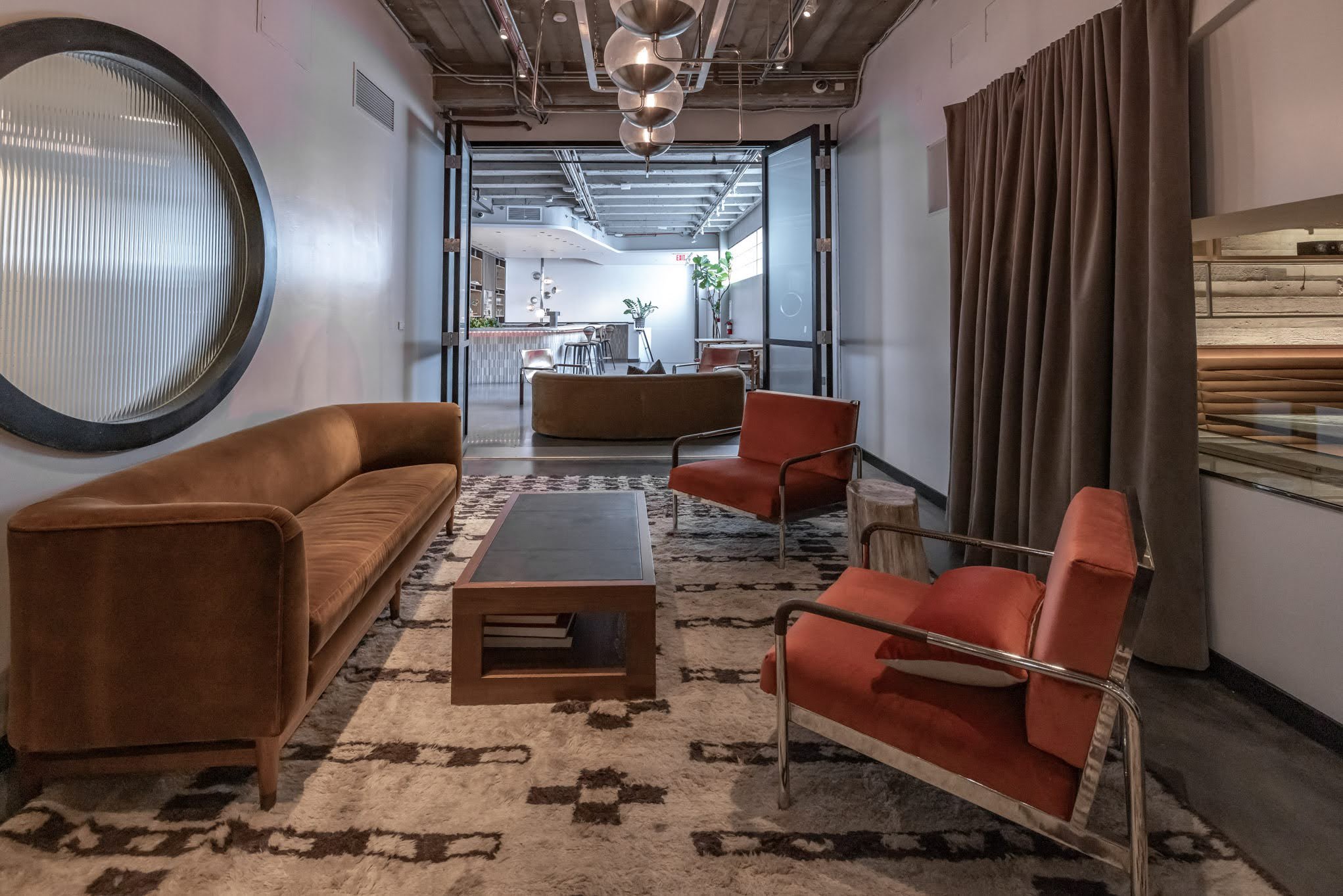
The Paley Penthouse boardroom — named for the CBS founder — handles the highest-level executive convenings. The Library (50 standing, 40 seated) offers an intimate setting for press dinners, founder receptions, and editorial moments. The Mezzanine Bar carries the same architectural pedigree as the rest of the building. The Listening Room (10 to 15 boardroom) is the right setting for the smallest, most discreet convenings — investor briefings, talent meetings, the press conversations that need to feel like conversations rather than productions. And the landmarked Lobby/Gallery, restaurants, bars, and lounges round out a campus where guests can move from one program to the next without ever leaving the building.

Camera-Ready for Production
The dual-use viability is genuine. This was a working broadcast facility for decades, and the bones support it. Studio A is a real soundstage with the infrastructure modern productions require — silent HVAC, lighting grid, blackout capability, three-phase power. The screening room functions as a believable corporate or studio set. The rooftop delivers the kind of city-skyline establishing shots productions chase across all of LA, but with the operational reality of indoor support spaces and parking within steps of the camera. The mezzanine, the lobby, the restaurants, and the lounges all serve as distinct interior environments that allow multi-set days without company moves.
For productions filming the Hollywood-business narrative — the studio executive scene, the broadcast newsroom moment, the recording session, the boardroom that decided someone's career — there's no more authentic location in Los Angeles. The building did all of those things in real life.
The Curator's Take
Columbia Square Studios is the kind of property that defines a category for the brand and production teams who get there first. It combines a level of architectural significance, cultural legacy, operational depth, and dual-use viability that almost no other property in Los Angeles can deliver. For the agencies producing the most-watched moments of the next two years, this is the kind of address that earns the campaign before a single guest arrives.

Property Snapshot
Property ID: COLUMBIA-SQUARE-STUDIOS Location: Hollywood | 6121 Sunset Boulevard, Columbia Square Size: ~93,000 SF Total | 27,190 SF Event Footprint | Up to 1,500 Guests Architecture: 1938 International Style / Streamline Moderne | William Lescaze, Architect | LA HCM #947 Restoration: Rockwell Group Key Feature: Iconic, Multi-Venue Campus in a Landmark Hollywood Broadcast Facility
Capacities by Space Studio A: 500 standing | 250–300 seated (~8,200 SF, double-height ceilings) Outdoor Rooftop Terrace: 400 standing | 200 theater (~7,000 SF, Hollywood Hills views) Screening Room: 55–70 (Poltrona Frau seating) Paley Penthouse: boardroom Library: 50 standing | 40 seated Mezzanine Bar Listening Room: 10–15 boardroom Landmarked Lobby/Gallery, restaurants, bars, lounges
Ideal Uses
Corporate & Brand Brand activations, immersive experiences, product launches, premieres, keynotes, trade shows, fashion shows, press events, live broadcasts, podcast and streaming productions, corporate offsites, member receptions
Film & Media Multi-set Hollywood productions, broadcast and newsroom scenes, recording session sets, screening room shoots, rooftop establishing shots, period filming in a 1938 architectural landmark, editorial campaigns

Frequently Asked Questions
What kinds of productions suit Columbia Square Studios?
Broadcast-grade shoots, premieres, and brand events that want a working Hollywood studio address with modern infrastructure behind it.
Is parking workable in the middle of Hollywood?
Yes — structured parking and basecamp options are part of the venue conversation, not an afterthought, and we map them before you commit.
What's the history of the site?
It's the former CBS Columbia Square campus on Sunset Boulevard, broadcasting history since 1938 — a story your guests and your press release both get to use.
THE RIGHT VENUE FOR THE RIGHT BRAND
Browse our full collection of event venues in Los Angeles to compare spaces across every neighborhood.
Contact Buttercup Venues today to explore our exclusive portfolio.